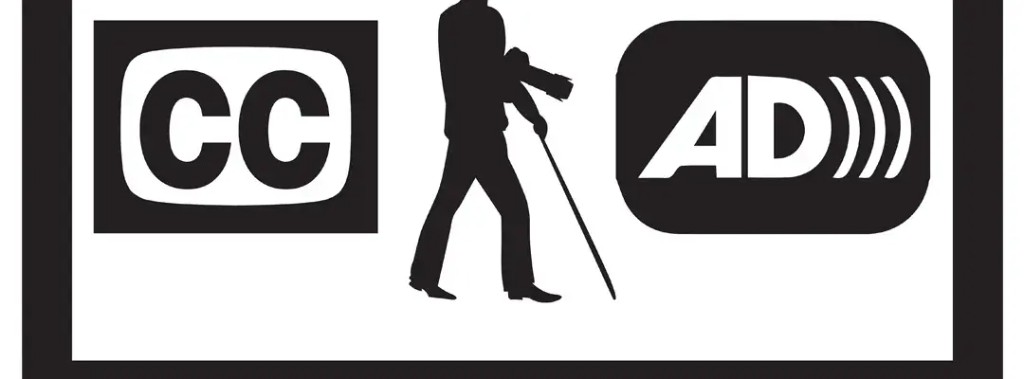
What is Audio Description?
Audio description is the verbal narration of all visual elements in visually-oriented works such as films, series, theater, or videos that fall outside of the dialogues. This method converts events that occur in a scene but can only be understood by looking into a verbal flow.
This system aims for:
- Transmission of Visual Details: The atmosphere of the setting and details of objects.
- Identification of Dynamics: How characters look at each other, silent movements, or gestures and facial expressions.
- Contextual Integrity: Narration of on-screen texts, graphics, or visual cues indicating the passage of time.
The fundamental goal is to transform the visual world into auditory images, drawing a mental picture for users who cannot follow the content and making the experience complete.
Who Needs Audio Description?
Individuals who are blind or have low vision require this service to avoid experiencing a disconnect during moments when dialogues stop or the story is conveyed through visuals. Audio description allows a visually impaired person to consume content independently and at the same time as everyone else, without needing someone else to explain "What is happening there?".
How Should Correct Audio Description Be?
When preparing a high-quality audio description, the following strategies should be followed to provide accurate guidance without restricting the viewer's imagination:
- Timing and Gap Management: The description should not overlap with main dialogues or important sound effects; it must be meticulously placed within the gaps between scenes.
- Objective Narration: The narrator should not include their own interpretation. For example, instead of "The man looks very sad," objective data like "The man's shoulders are slumped, his eyes are looking at the ground" should be presented.
- Prioritization: The detail that best serves the emotion of the moment or the plot (such as the glint of a key or a character's secret smile) should be conveyed first.
Example Applications: YouTube - Audio description example (opens in new tab)
Usage Areas and Necessity of Audio Description
Audio description can be applied in every field where visual communication exists to make content accessible (opens in new tab). It plays a critical role in everything from cinema and television productions to educational videos, social media content, and museum tours. The primary reasons for this necessity are:
- Independent Content Experience: This application plays an important role in enabling visually impaired individuals to consume content independently and simultaneously with everyone else while watching a film or video.
- Information and Meaning Integrity: In scenes where visual details are not conveyed verbally, actions without dialogue, silent gestures, or setting changes cannot be interpreted. Audio description preserves the integrity of meaning by transforming this visual information into auditory data.
- Legal and Global Standards: The accessibility checklist (opens in new tab) prepared by the Turkish Ministry of Family and Social Services and the global WCAG (Web Content Accessibility Guidelines) (opens in new tab) have established audio description as a legal standard and requirement for digital platforms.
Binclusive Content Studio
In today's world, where digital content is rapidly increasing, managing the audio description process manually can be challenging in terms of both time and cost. At this point Binclusive Content Studio (opens in new tab) emerges as a pioneering platform that automates audio description and digital accessibility processes.
Content Studio's Contributions to Accessibility:
- AI-Powered Analysis: It rapidly detects actions, objects, and texts within the visual by analyzing video content with artificial intelligence algorithms.
- Fast and Standards-Compliant Production: It reduces the audio description preparation process to minutes, ensuring the production of content that is fully compliant with WCAG and legal regulations.