What Is Alternative Text?
Alternative text consists of concise and descriptive text-based definitions that convey the content and function of visuals (photos, graphics, icons, etc.) in digital environments.
This method encompasses;
- The content of the visual,
- The purpose of the image's presence,
- Its contextual relationship with the surrounding text.
The primary objective is to maintain conceptual integrity in the digital world by creating a text-based equivalent for users who cannot perceive visual content.
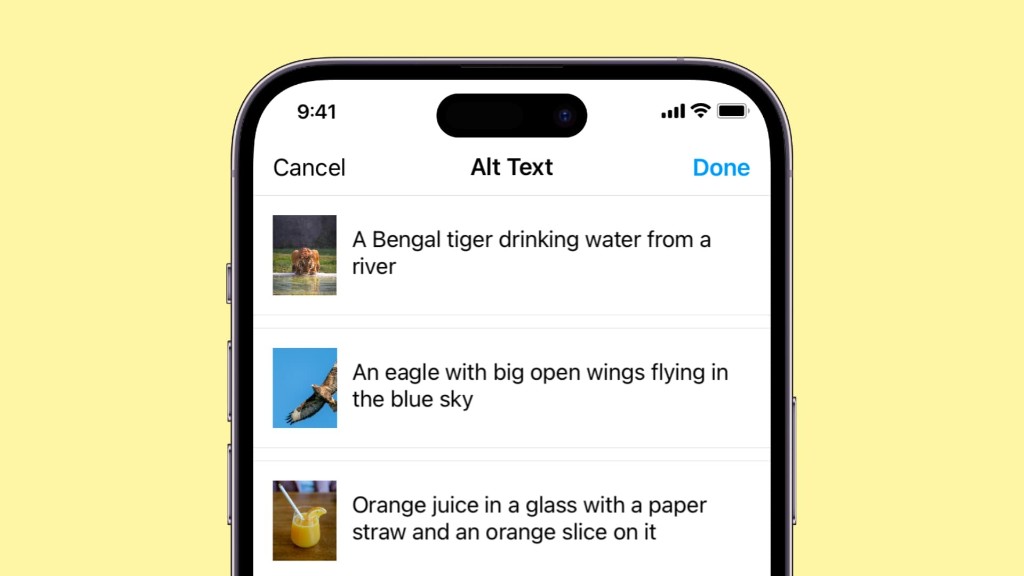
Who Needs Alternative Text?
Individuals who are blind or have low vision can independently experience content by understanding what a visual is about, thanks to Screen Reader software that converts text into speech.
How to Write Accurate Alternative Text
When creating accurate alternative text, the following strategies should be followed based on the type of visual and its purpose on the page:
- Functional Visuals: If a visual (e.g., a search button) performs a task, its function should be described directly instead of its physical characteristics.
- Writing Rule: Phrases such as "image of" or "graphic of" should be avoided; the most important information should be provided directly and at the beginning.
Correct Alternative Text Examples
The most common mistake when writing alt text is merely describing what is in the visual. However, the meaning of a visual can change entirely based on the context it is in. In the examples below, you can see how the same object should be described differently according to its usage purpose:
Example 1: A plate of pasta served in an elegant restaurant
Incorrect: alt="Pasta plate"

- Correct (Restaurant Menu):
alt="Penne pasta with tomato sauce garnished with fresh basil leaves and grated parmesan cheese." - Correct (Recipe Blog):
alt="The glossy appearance of olive oil drizzled over boiled pasta."
Example 2: A white sneaker
Incorrect: alt="Shoe" or alt="White sneaker"

- Correct (E-Commerce Site):
alt="White running shoe with a breathable mesh upper and high sole support." - Correct (Magazine Design):
alt="Lace-up white sneaker designed in a modern and minimalist style."
Usage Areas and Necessity of Alternative Text
Alternative text can be applied in every field where digital communication exists. It plays a critical role everywhere, from menu icons on websites to product photos on e-commerce sites, and from social media posts to blog articles. This practice is a necessity for visually impaired individuals to shop independently or access information.
The WCAG (Web Content Accessibility Guidelines) (opens in new tab), accepted globally, serve as the universal constitution for digital accessibility. These global standards are supported locally by the Accessibility Checklist for Websites and Mobile Applications (opens in new tab) prepared by the Turkish Ministry of Family and Social Services. This guide provides a comprehensive roadmap for institutions by clearly defining both technical requirements and the legal framework, making digital inclusivity a standard.
Additionally, since search engines cannot read images directly, alternative text allows content to be indexed better, thereby increasing digital visibility (SEO).
The Importance of Alt Text in Digital Accessibility
Digital accessibility is based on the principle that web platforms, mobile applications, and all digital materials should be understandable and open to interaction for everyone. And the use of alternative text is a fundamental requirement of this inclusivity.
This practice transforms visuals from mere images into tangible data accessible to all, ensuring that global standards like WCAG are met in digital environments. Defining content with the same clarity for every user creates a common level of quality by making the user experience independent of individual capabilities.
Through this transparency in access to information, every segment of society can be fully included in digital processes, increasing the level of participation in the digital world.